
A cadence sensor picks up your pedal rotation, and a torque sensor measures how hard you’re pedaling so the bike can tailor its assistance to your effort. That’s the fundamental difference in approach, and it can make a massive difference in how the e-bike feels when you’re just getting away from a stop, on a climb, or cruising along a shared path. Grin Technologies covers both approaches in their guide to pedal assist.
If you’re after loads of assistance when you’re pedaling very lightly, a cadence-sensing bike is definitely worth a look. If you want assistance to increase as you press harder and ease off as you reduce pedal pressure, you should start with a torque-sensing bike.
The controller’s programming and assist settings will also affect how smoothly that assistance comes along. On a test ride, include the awkward bits of your normal route, particularly the starts and slow turns.
Cadence sensor vs torque sensor at a glance
| What you want to know | Cadence sensing | Torque sensing |
|---|---|---|
| What does it detect? | Pedal rotation; many systems also measure pedaling speed. | Pedaling force, often combined with cadence and other inputs. |
| How does assistance respond? | Follows the selected assist level and controller programming. | Usually rises and falls with rider effort, within the selected mode’s limits. |
| Can you pedal very lightly? | Often supplies substantial help with little pedal pressure. | Light pressure usually requests less help; sensitivity and assist level matter. |
| What might you prefer about it? | Easygoing cruising and less dependence on how hard you push. | Assistance that follows changes in your effort. |
| What should you check? | Delay, abrupt acceleration, and low-speed control. | Effort needed to get useful help, plus startup and low-speed response. |
These are the usual sorts of things, with huge variation from bike to bike. Priority’s sensor comparison, in fact, neatly separates the basic cadence systems from the more sophisticated ones.
How the two pedal-assist systems work
Pedal assist (often abbreviated to PAS) uses your pedaling to request motor assistance. The sensor feeds information to the controller, which then manages the amount of motor output.
Cadence sensing: Assistance when the pedals turn
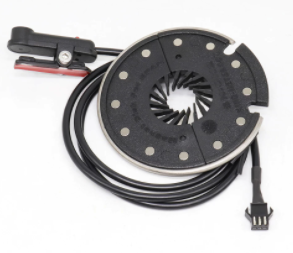
Cadence is pedal speed. The most common sensor type uses a magnet passing a pickup near the cranks to detect rotation. It can tell you that you’re pedaling without knowing whether you’re pedaling hard or very lightly.
Once you’re pedaling, the bike delivers assistance according to its settings. Some systems limit speed; others limit power or current. Ride1Up’s technical description, for example, is of cadence assistance, which is a percentage of available power and current.
This is ideal for a rider who wants the motor to do the bulk of the work. You’ll still be pedaling, but the sensor does not measure how hard you press; assistance follows the selected level and controller programming.
Torque sensing: Assistance that follows your effort
A torque sensor gives you information about the force you’re applying through the pedals. In a normal effort-responsive system, you’d be asking for more assistance if you were pedaling harder and less if you were easing off. The assist mode you’ve selected will determine how much assistance the motor provides (up to the system’s maximum).
Many torque-sensing systems also measure cadence. The sensor name tells you how the assistance is controlled, so you can have a system that uses torque sensing alone or one that uses both torque and cadence sensing. The Bosch Performance Line CX is an example of a system that uses both.
You don’t have to treat every ride as a workout. A higher assist setting will obviously give you a lot of support. The real issue is how much pressure you need to apply to the bike before it gives you the assistance you want.
Which sensor suits your riding?
“I want help getting up hills”
Try torque sensing if you want assistance that builds as you go into a climb. That response will be very much in the same league as someone on a standard bike. A cadence-sensing bike can also provide quite a bit of assistance in the climb, even if you’re keen to keep your own effort quite low.
For a useful comparison, ride a hill similar to one near your own home. A short ramp outside a shop is of very little use in giving you any idea of what a long hill with a load on the rack is like.
Watch your legs and the bike’s speed. Can you keep the pedals turning comfortably? Is the bike giving you enough assistance so that you don’t have to work harder than you’d like? If you’re used to carrying a load, then you’ll want to discuss a representative test with the shop.
Use the appropriate low gear when the bike has gears. Bosch recommends using a low gear when you’re starting and when you’re on an incline, then shifting as speed and terrain change. The assist button and the gear shifter are two completely different things. One changes the level of motor assistance; the other changes the ratio between pedal rotation and wheel rotation.
I’d give a successful hill test far more weight than the sensor label. Motor ability, gearing, and the weight you’re actually carrying all go into that assessment.
“I prefer very light pedaling”
Cadence sensing is a sensible starting point if you’re going to the shops or on a commute that doesn’t really tax your legs once the motor’s in; some systems let you keep a lot of assistance while applying only minimal cadence.
You might hear this referred to as ‘ghost pedaling’ (i.e. spinning the pedals with virtually no contribution to actual propulsion). Some riders deliberately prefer this low-effort feel. It can be useful if that’s precisely what you’re paying for with your e-bike.
During the test ride, ease off the pedal pressure while keeping the cranks turning. Does it maintain the level of assistance you’re after? Try its lowest level of assistance. A bike that makes cruising so easy should also let you approach a junction at a pace you’re comfortable with.
If you’re after a torque-sensing model, try a higher assist mode before you write it off. Ask whether sensitivity can be tweaked via the manufacturer’s supported settings, as the answer to that will differ from bike to bike.
“I want the bike to feel natural”
Start with torque sensing. The link between your input and the motor’s response is often the best part. You press down harder to accelerate, and then, as you get into your stride, you can easily let your legs do the work.
On a clear stretch, alternate between a light pedal and a bit more of a push. Note whether the extra assistance comes in gradually and whether it diminishes when you let off. Do that in a lower assist mode as well, as the highest assist setting will probably mask the finer differences you’re looking for.
I’d be prepared to pay more for a bike whose assistance is predictable throughout the ride. The difference would have to be obvious when you’re accelerating and when you’re changing pace.
“I ride in stop-and-go traffic”
Focus on the first few pedal strokes and what happens when you stop pedaling. A bike can be very pleasant to ride at cruising speed and yet quite awkward to start up repeatedly.
Cadence systems need enough rotation to detect pedaling. Sensor design affects how quickly that happens; Grin’s sensor guide explains how more detection pulses can reduce the crank movement needed. Torque systems can have delays too, so neither label guarantees an immediate response.
Before you go and test in traffic, do a few starts in an open area. Choose a reasonable assist level and, on a geared bike, a suitable starting gear. Check that the motor comes on when you expect it, and that it’s not pushing harder than you want it to.
Then stop pedaling whilst you’re still moving and observe how the assistance drops off. Use the brakes as you normally would to slow down and stop; don’t use the motor cutting out as your braking method.
Slow turns definitely warrant their own test, especially if you’re going to have path barriers or a busy entrance on the route. Do a very slow turn in a space with low assistance. Can you get a very small pedal movement without being pushed faster than you’d like? If the lowest setting is still too much, ask about supported adjustments or try a different bike—dismount where you can’t possibly share the space.
“I want to get some exercise”
Either system allows you to put in the effort. Torque sensing may be the one you prefer, as the bike will respond directly to how hard you’re pedaling. A cadence bike can also be a good option for exercise if you choose the right level of assistance and gearing to keep you actually working.
Think about the ride you’re after. You may want a steady effort on the flats, a bit of assistance with one tough hill and then an easier ride home when you’re a bit tired. Try out those different assist settings rather than just judging the bike on max assist.
If you’re riding with a partner, then try to ride to their pace as well. See whether you can settle into a fairly comfortable effort without having to keep on surging forward or changing your assist levels.
Why the rest of the bike matters

The controller determines how fast assistance builds up, how much is available, and how it then fades away. Accelerated Systems controller documentation has separate settings for start-up delay, power delivery and cutoff. Two bikes with the same sensor type can therefore assist in very different ways.
You don’t need to fiddle with the engineering settings at all. Just ask the seller to show you the riding mode options. Some bikes have adjustable levels of assistance and sensitivity; others don’t, and those are fixed. Bosch’s riding mode guidance is a case in point for a system that lets you tailor support and response.
Keep motor location and sensor type separate when you’re looking at specs. A hub motor can use torque sensing. A torque-sensing bike can also have a throttle. Likewise, the motor’s torque rating in Nm (newton meters) measures its torque output; it doesn’t tell you what the pedal sensor is.
Beyond the electronics, check fit and control. Can you reach the brakes comfortably? Is the bike manageable when you put a foot down? Will its gearing suit your route? I would be reluctant to trade away a comfortable fit or predictable braking to get a preferred sensor.
Does a torque sensor improve battery range?
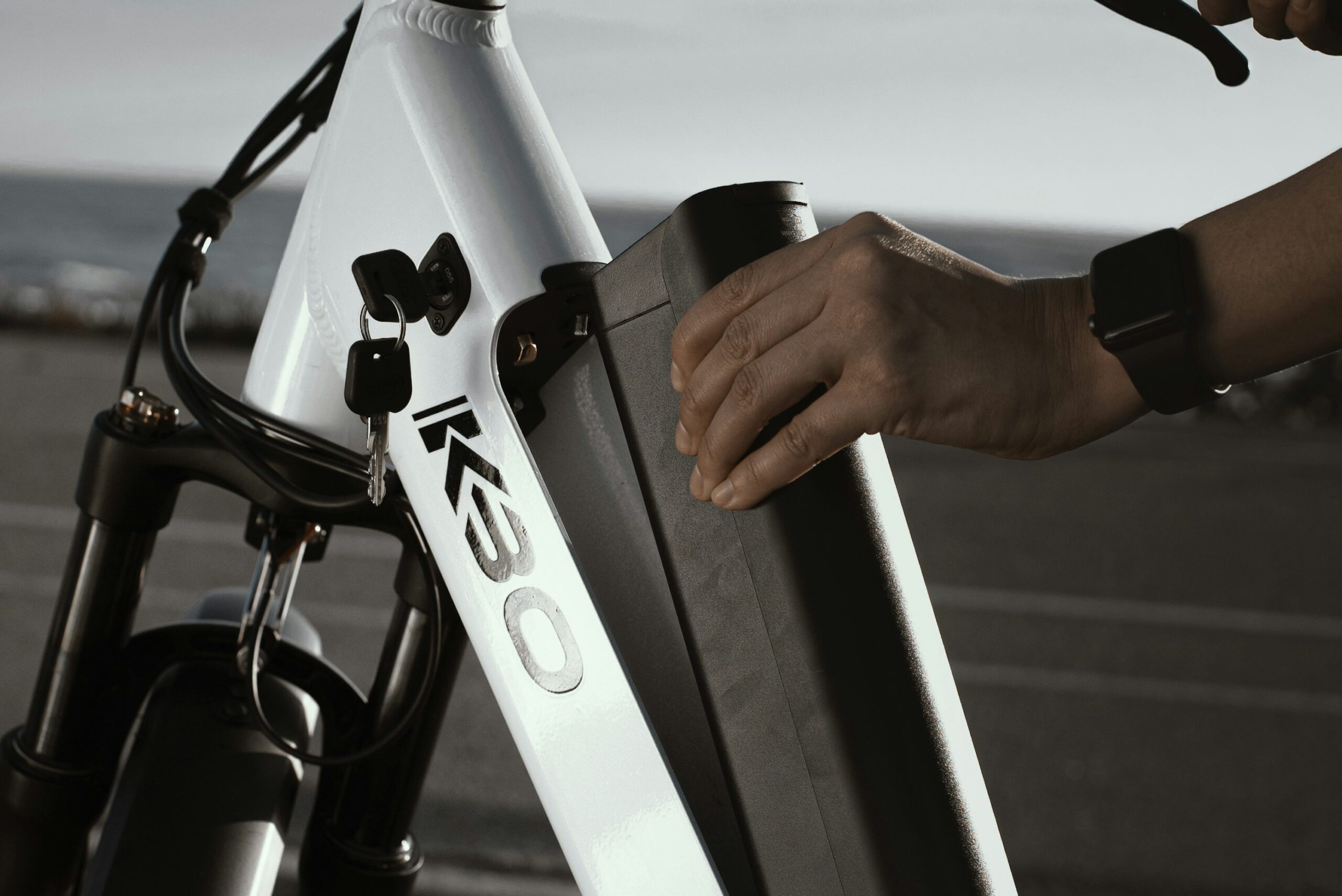
It can help a rider avoid using more assistance than needed, but sensor type alone doesn’t guarantee a range advantage. A torque-sensing bike ridden with strong assistance still draws energy from its battery.
Bosch lists assistance level, riding behavior, air resistance, rider weight, tire pressure, and terrain among the factors affecting range. Wind and hills can change the result, as can the speed you choose to maintain.
When comparing two bikes, look for range tests that specify the assist level, rider load, terrain, and battery capacity. A big battery on one bike and a very easy test route on the other makes headline range figures hard to compare. There’s no useful universal % you can add on to a range figure simply because the bike has a torque sensor.
Our guide to e-bike battery range and life covers the difference between range per charge and battery life, and what to look out for if your normal range is starting to suffer.
E-bikes that show the different approaches
These are all manufacturer-specified figures (i.e., the ones the manufacturers themselves provide); eBikeSavvy has not ride-tested any of them for this comparison.
Disclosure: As an Amazon Associate, I earn from qualifying purchases.
| E-bike | Manufacturer-listed system | What it helps illustrate |
|---|---|---|
| Cadence sensor with PWR assistance programming. | Lectric describes assistance up to a selected power level, rather than regulation by speed alone. Cadence behavior depends on the programming. | |
| Dual-sided torque sensor and a throttle. | Hiboy’s sensor measures force from both pedals. Torque-based pedal assistance and throttle control can be offered on the same bike. | |
| Selectable torque and cadence assistance. | One bike can offer both approaches, letting the rider choose the response. |
The US L20 3.0 allows you to select either torque or cadence assist via the display settings. If you can test the bike in both modes, do so on the same route. That way, you’re not introducing variables such as fit, tires, and motor hardware into the equation (though the settings for each mode will, of course, have an impact).
Confirm the exact model and version before you buy. Manufacturers can change the sensor system between generations, and an older review could refer to a completely different piece of equipment.
A test-ride checklist before you buy

Wear your helmet and get out into a clear area. Set the saddle and controls as appropriate and ask the shop to go through the assist settings before you go.
- Start from a complete stop several times. See how much effort it takes to get going and whether help comes predictably.
- Compare low and moderate assistance. Work out which setting is right for your pace, in particular the lowest one.
- Change your pedal pressure. Try light pedaling, then a firmer push, and observe what the motor does.
- Stop pedaling and brake as normal. Learn what the motor response and the bike’s stopping behavior feel like together.
- Make a slow, gentle turn and check that you can maintain a comfortable line without any unwanted acceleration.
- Ride a representative hill, use appropriate gearing, and assess whether the effort required matches what you’re after from the bike.
- Return at your everyday pace. Spend a few minutes riding as you would in real life (i.e., matching your companion’s pace if appropriate).
After that, write down the most uncomfortable moment. “The motor came in too sharply after a slow turn” is a very specific thing for a shop to look at. It also lets you compare the next bike without judging it based on how exciting the first bit of acceleration was.
Torque sensor vs cadence sensor FAQs
Is a torque sensor worth paying extra for?
It may be if you prefer its response and the rest of the bike is what you’re after. Compare complete bikes (fit, brakes, gearing, support, etc.). Try the two bikes close together and do the same route. If you strongly prefer light pedaling, then a cadence system could be the more satisfying purchase even if it’s at a higher price point.
Can a torque sensing e-bike have a throttle?
Yes, the Hiboy EX9 is one of the examples listed by the manufacturer. Pedal sensing and throttle control are separate inputs. You’ll need to check exactly how the throttle behaves on that particular model (does it work from a standstill? Does its response vary depending on the selected riding mode?).
Can you swap a cadence sensor for a torque sensor?
Sometimes. The controller has to take the torque sensor signal, and the sensor has to be compatible with the drivetrain and the frame. Grin’s component guide will tell you how the pedal sensors interface with the controller. Always check with the manufacturer or a qualified installer about your particular system before purchasing any parts.
Why does a torque-sensing bike still feel so hard to pedal?
The assist setting, sensitivity, gearing, and available motor support may not match the effort you want to make. Try the supported settings with the seller and compare another model. If your own bike has suddenly become harder to pedal, treat that as a change to investigate, rather than assuming it’s normal torque-sensor behavior.
Choose around the ride you want
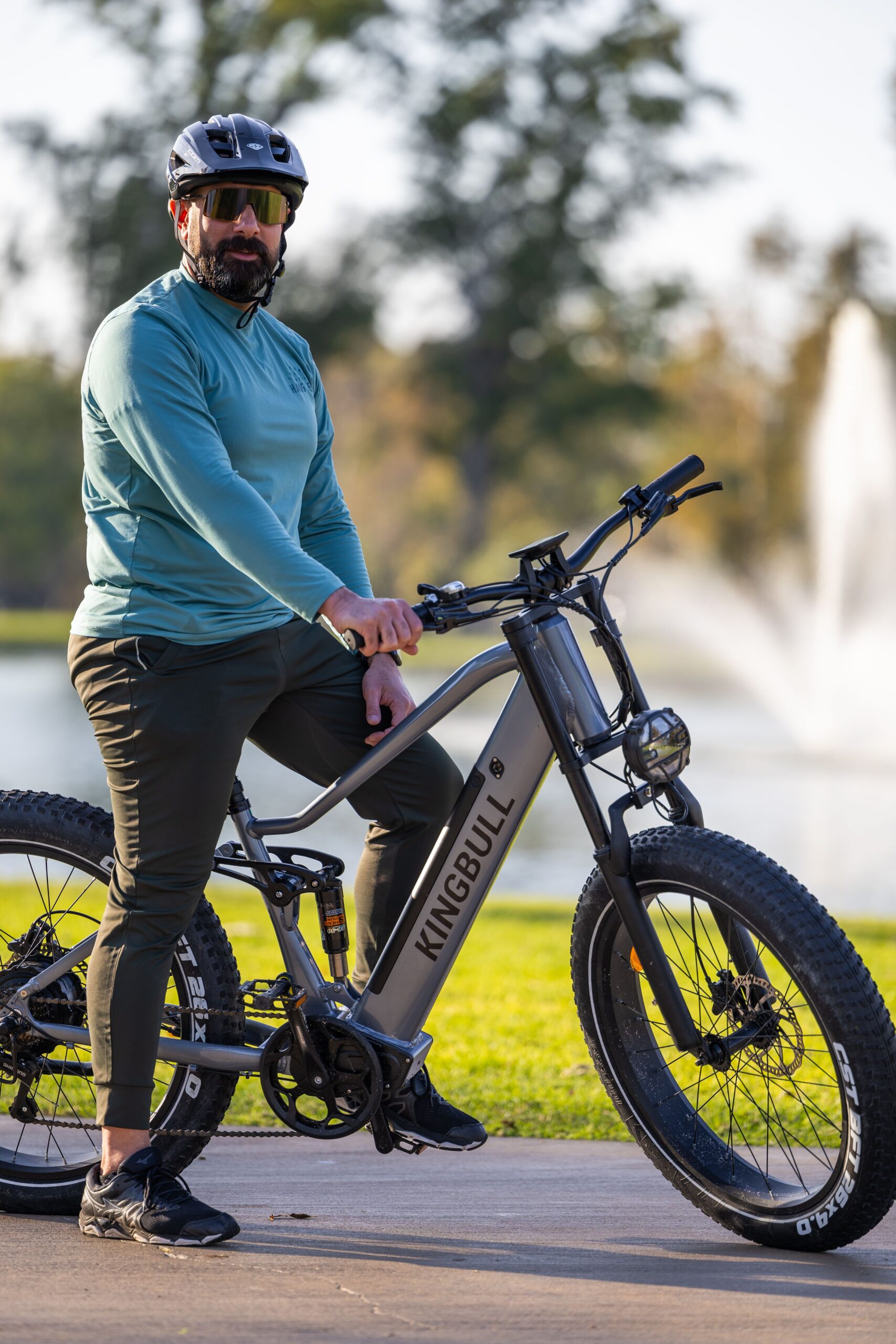
For a commute with frequent starts and changing pace, I would start by trying a torque-sensing bike. For relaxed cruising with very light pedal pressure, I would begin with cadence sensing. A selectable system is worth considering if you want to compare or use both responses.
Give your test ride a specific job: see whether you can start, climb, and slow down comfortably at the effort you want. If a bike struggles with the part of your route you ride every day, keep comparing models before you buy.